
System Design and Game Architecture in Chicken Shoot for UK
Chicken Shoot Game gives a new twist to the traditional shooting gallery. It blends simple play with intelligent systems to captivate players in the UK. Let’s examine the core gameplay, how it gives rewards, and the tech that powers it. Observing how these pieces work together shows why the game sticks with people. It hits a sweet spot between skill and luck, which attracts British casual gamers seeking fun that feels worthwhile.
Main Gameplay Cycle and Interactive Design
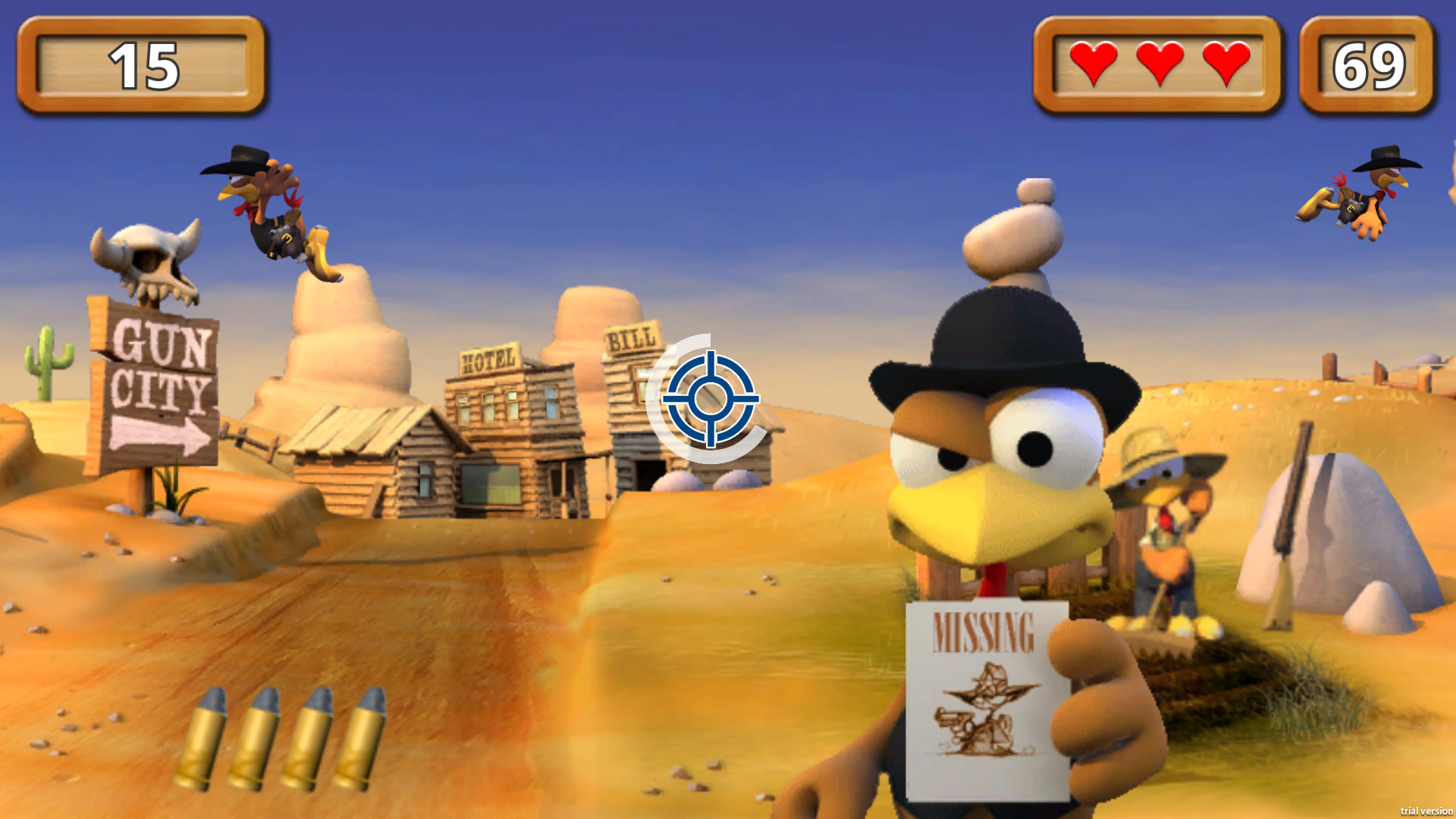
The primary cycle is natural: aim, shoot, collect. Whimsical chicken targets pop up and scamper across the screen. The controls remain straightforward, usually just a tap or a click. This ease means everyone can grasp it and start immediately. Shooting a target is satisfying because the game responds with a comical squawk, a goofy dance, and points splashing on screen. That rapid feedback makes the simple act of shooting immensely enjoyable and effortless to continue.
Target Behaviour and Environment Dynamics
The chickens don’t just stand there. They rush out at multiple speeds, weave in unusual patterns, and are give different points. Occasionally the background changes, or a roaming cow might obstruct your shot. This constant change prevents the game from becoming boring. It puts to the test your reflexes and maintains uncertainty. These dynamics also govern the session’s pace, creating to moments of hectic action that demand your undivided attention. What appears as a straightforward shooter becomes a dynamic test of your focus.
Advancement and Unlockable Content
There’s more than simply shooting. You earn coins or points from your hits, which you can use. This might get you a new blunderbuss, a silly hat for your cursor, or a completely new farm to play in. This layer taps into our enjoyment of gathering and upgrading. For a player in the UK, it offers a strong reason to revisit. Acquiring that upcoming quirky item marks your progress and gives you a new way to appreciate the established action.
System Design and Speed Optimizations
A seamless experience needs solid tech. The game must handle interactions between your shot and a quick chicken in live time. This requires efficient code and visual processing. UK players use devices from the latest phones to older tablets, so performance tuning is critical. The design must maintain a steady frame rate with minimal input lag. Any delay between your tap and the result ruins the experience and frustrates the user, breaking the core loop.
Under the hood, the game usually includes tracking and analytics. These backend systems discreetly watch play patterns, session times, and how players advance. Developers use this data to adjust the game’s economy, locate where people get bored, and plan new content. This data-informed, iterative design lets the game adapt to how its community actually plays. It’s a typical approach for keeping up in the crowded UK mobile market.
Mathematical Frameworks and Reward Schedules
The game’s maths is key to keeping you involved. Its reward pattern is carefully tuned. Calculations determine when a high-value target shows up or when a bonus stage initiates. The system functions on variable reinforcement. You know a reward is on its way, but you can’t predict precisely when. This is a compelling driver for ongoing engagement. The structure ensures skill matters, but the game also feels generous enough that you seldom leave empty-handed.
Chance influences each second. The chance of a golden chicken appearing or a x2 multiplier kicking in is controlled by weighted probability. The game is adjusted to offer you a constant stream of modest payouts, punctuated by a larger payout from time to time. If you’re the type who enjoys to examine, this introduces a underlying aspect. You may perceive the probabilities and unconsciously wait for a better target, bringing a sprinkle of planning to the straightforward shooting.
Monetisation and Monetary Systems
Woven into the mechanics is a virtual economy that handles monetisation. You can earn standard coins by playing, or buy premium gems with real money. The economy is built to feel fair. Spending generally gets you cosmetic items or temporary conveniences, not outright power. You might buy a pirate skin for your cannon or a one-hour points booster. The balance is careful. Players in the UK who never spend must still believe they can progress and have fun, while those who do spend should see clear value.
Prices and offers are localised for the UK, shown in British Pounds and set with local spending in mind. A common tactic is the limited-time event. These special challenges have unique rules and rewards. They generate a sense of urgency and give players a fresh goal. Events repurpose the core mechanics in a new context, tempting both daily players and those who haven’t logged in for a while to jump back in. This helps maintain the active player count healthy over months and years.
Audio-Visual Response and Mental Involvement
The sound effects and visuals do more than embellish. They are key parts of the system that makes the game engaging. A winning hit sets off a sequence: a crisp *pop*, numbers appearing, and a chicken performing a funny flip. This combined response offers a tiny, dependable dose of satisfaction. The whimsical art style is playful and welcoming, a familiar look that puts players at ease. It positions the whole activity as a bit of fun, not a intense test of determination.
The Importance of Thematic Design and Humour
The chicken theme and slapstick jokes are a intentional selection. They render the game unforgettable and easy to mention. The personalities are absurd, not frightening, which fits the relaxed tone. This theme runs through everything, from the farm menus to the chicken sound effects. It creates a unified, playful world. That powerful identity helps the game get noticed. Players associate it with having a laugh, a hallmark of British downtime.
Common Questions
How do you control Chicken Shoot Game?
The controls are easy to learn. You just drag your aim and tap or click to shoot. The game chicken shoot plus 200 free spins uses easy touch or mouse inputs, so you don’t need to learn a complex scheme. This makes it easy for anyone in the UK, regardless of age, to start playing immediately.
How does the scoring system work in the game?
You gain points for hitting targets. Various chickens are worth different point values. Special targets, such as golden chickens, award bonus points or multipliers. Stringing together consecutive hits or finishing specific tasks against the clock can also rack up huge scores, so both accuracy and speed pay off.
Are there optional purchases, and do you need them?
The game offers optional purchases, typically for premium currency or cosmetic items. You don’t need them to enjoy or advance through the game. Skill and consistent play allow UK players to earn rewards and unlock nearly everything without spending any money.
Is an internet connection required to play Chicken Shoot Game?
It depends on which version you have. Usually, the main arcade mode works offline. But features like live events, updating leaderboards, or downloading new content will need a stable internet connection to work properly and sync your data.
What types of special events or modes can you find?
The developers regularly organize time-limited events featuring special rules. You might get a midnight shooting spree or a boss chicken showdown. These modes typically offer unique rewards and their own leaderboards, giving the UK community new ways to play and new goals to chase.
How is the game balanced for different skill levels?
The system sometimes uses subtle adaptive difficulty. How fast targets move and how many show up may shift depending on your success. There are also power-ups and different weapons to try. This offers beginners helpful tools and makes sure the difficulty remains balanced and fun for everyone.
Is it possible to play Chicken Shoot Game on several devices?
Yes, typically. If you use an account like Apple Game Center or Google Play to log in, your progress can be synced between devices. This allows UK players to move from a phone to a tablet without losing their progress, provided the game versions are compatible.